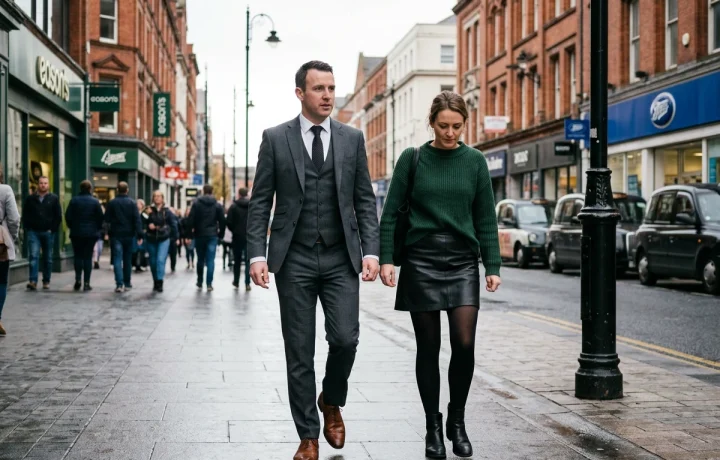
Compensated Dating: What It Is and How It Works
If you’ve found yourself curious about compensated dating, you’re not alone. Across the UK and Ireland, more women than ever are exploring relationship models that reward honesty, clarity, and confidence — rather than leaving intentions unspoken and expectations mismatched. Compensated dating is simply the modern, structured evolution of something people have quietly practised for generations: acknowledging that companionship has value, and that it’s perfectly reasonable to be supported for the time, warmth, and connection you bring into someone’s life.
This article unpacks what compensated dating actually means, how it works in practice, and why so many women find it a refreshing alternative to the ambiguity of conventional dating.
What Does Compensated Dating Actually Mean?
At its core, compensated dating describes a relationship in which one partner — typically a successful, established man — provides financial or material support to the other, in exchange for genuine companionship, time, and connection. It’s a form of transactional dating, but that word shouldn’t conjure anything cold or clinical. In practice, these relationships often look and feel like any elegant, respectful romance: dinners, travel, thoughtful conversation, and mutual enjoyment. The difference is simply that the arrangement is spoken aloud rather than left to guesswork.
Many women who explore this world describe it as liberating. Rather than wondering whether a date will call again, or navigating the slow-burn uncertainty of traditional courtship, compensated dating invites both people to be upfront about what they want and what they can offer. It replaces guesswork with intention.
Why Women Choose to Pay for Companionship — or Be Compensated For It
It’s worth pausing on the phrase “pay for companionship,” because it often carries outdated assumptions. In reality, compensation in this context rarely means a simple cash-for-time exchange. It’s far more nuanced — think generous allowances, luxury experiences, mentorship, career introductions, or support with living costs and ambitions. The men who thrive in this space are typically looking for something authentic: a woman who is engaging, self-assured, and genuinely enjoys their company, not merely present out of obligation.
For women, the appeal often comes down to a few key things:
- Clarity from the outset. Both parties understand what they’re looking for, which removes much of the emotional guesswork found in conventional dating.
- Respect for their time. Compensated dating acknowledges that a woman’s time, attention, and presence carry real value.
- Access to a different calibre of experience. Fine dining, international travel, and exposure to accomplished, driven partners are often part of the appeal.
- Freedom to set boundaries. Because expectations are discussed openly, women typically feel more empowered to define what they are — and aren’t — comfortable with.
Rather than diminishing romance, this openness often allows genuine connection to flourish more naturally, precisely because the practical questions have already been settled.
How Compensated Dating Works in Practice
While every relationship is unique, compensated dating tends to follow a few common patterns.
1. Meeting With Intention
Unlike conventional dating apps, where intentions are often murky, compensated dating platforms are built around transparency. Members join knowing broadly what they want — whether that’s a mentor-style relationship, a travel companion, or ongoing support in exchange for regular companionship. This shared understanding tends to accelerate genuine connection, because neither party is guessing at the other’s motives.
2. The Conversation About Arrangements
At some point, most compensated dating relationships involve a conversation about what support looks like — whether that’s a monthly allowance, contributions towards specific goals, or gifts tied to time spent together. This can feel like the trickiest part for newcomers, but it doesn’t have to be awkward. In fact, handled with warmth and confidence, this conversation often deepens trust rather than undermining it. If you’d like a considered guide to navigating it gracefully, How to Discuss an Allowance in Sugar Dating Without Feeling Awkward offers practical, tactful language for approaching the subject with confidence.
3. Building the Relationship
Once expectations are aligned, the relationship typically unfolds much like any other — dinners, weekends away, meaningful conversation, and the gradual building of trust and rapport. The key distinction is that both people have already agreed on the terms, which tends to reduce friction and resentment down the line. Many women describe feeling more present and relaxed in these dynamics, precisely because there’s no lingering uncertainty about where things stand.
4. Ongoing Communication
Healthy compensated dating relationships, much like any successful partnership, rely on regular, honest check-ins. Needs and circumstances evolve, and the most successful arrangements are the ones where both people feel comfortable revisiting expectations as the relationship matures.
Compensated Dating vs. Traditional Dating
It’s natural to wonder how compensated dating differs from the conventional dating world. The most meaningful difference lies in transparency. Traditional dating often involves an unspoken (and sometimes unfair) expectation that women’s time and companionship should be given freely, regardless of the effort, energy, or emotional labour involved. Compensated dating simply brings that value into the open — allowing women to be recognised and supported for what they contribute, while allowing men to clearly express what they’re seeking and offering in return.
This doesn’t mean compensated dating is without romance or genuine feeling. Many long-term arrangements evolve into deeply affectionate, mutually devoted partnerships. The compensation element doesn’t replace emotional connection — it simply removes the ambiguity that often clouds it.
Who Explores Compensated Dating?
Women who explore compensated dating come from every walk of life — students balancing ambitious studies, professionals building a career, entrepreneurs pursuing a new venture, or simply women who want to enjoy a more elevated lifestyle without compromising their independence. What tends to unite them is a desire for honesty, elegance, and mutual respect in their romantic lives.
On the other side, the men involved are typically accomplished, discerning, and time-conscious. They value genuine connection but appreciate a dating dynamic where expectations are clear from the start, allowing the relationship to focus on what matters — real compatibility and enjoyable time spent together.
Setting Yourself Up for a Positive Experience
If you’re considering exploring compensated dating, a little intentionality goes a long way. Consider the following:
- Know your own boundaries. Before entering any arrangement, take time to consider what you’re comfortable with — both practically and emotionally.
- Communicate openly. The women who feel most fulfilled in compensated dating are typically the ones who express their needs early and clearly.
- Prioritise chemistry as well as compatibility. Compensation should complement a genuine connection, not replace it entirely.
- Trust your instincts. As with any relationship, if something feels off, it’s worth pausing and reassessing.
A More Honest Way to Date
Compensated dating isn’t about shortcuts or superficiality — it’s about honesty. It invites both people to say plainly what they want, rather than leaving it to assumption or chance. For many women, this openness is precisely what makes the experience feel empowering rather than uncertain. Companionship, after all, is valuable — and there’s nothing unromantic about acknowledging that plainly, with grace and confidence, from the very first conversation.